Background
Robert, a director and union member, has requested an 8 percent raise for his work unit. His request is based on recent finance reports showing that his department has substantially contributed to a 15 percent profit increase for the organisation. He feels that his team should be compensated for the hard work and long hours they have put in over the last few years to achieve this outcome.
Kay knows the value of Robert’s team and readily acknowledges their achievements. However, she knows that the company has plans to expand and diversify. This new project will use up the majority of the profit increase for at least the next five years. She is willing to sit down with Robert and talk about how his team can get involved in the new project. There could be new job opportunities, some overseas assignments, and possible promotions to various leadership positions within the new project. Kay has flagged this with Robert; however, he is adamant that his team needs to be compensated with a monetary increase. He went as far as threatening to get the union involved if his request is unsuccessful.
Conflict-handling style
In this case study, one of the conflict-handling style used is competing. Robert demands that his request be fulfilled. He did not consider the offer that Kay gave and was adamant of the monetary increase. This style on conflict-handling would result in a temporary solution, and if he feels that him and his team deserves more, he would demand for more again. This would leave the organisation in a very difficult situation as other departments would see this an a possible opportunity to have their demands met too.
Bargaining approach
An integrative bargaining approach was used in this scenario. Rather than giving in to Robert’s demands, Kay gave an alternate solution for him and his team. She took into account the organisation’s interest and instead of a monetary increase, she offered job opportunities, overseas assignments, and possible promotions to various leadership positions within the new project. Her solution would create added value and maximize joint gains for Robert and his team and the organisation while ensuring that Robert and his team were rewarded for their time and effort that they gave for the organisation.
Interpersonal communication
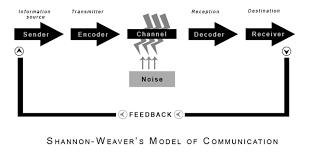
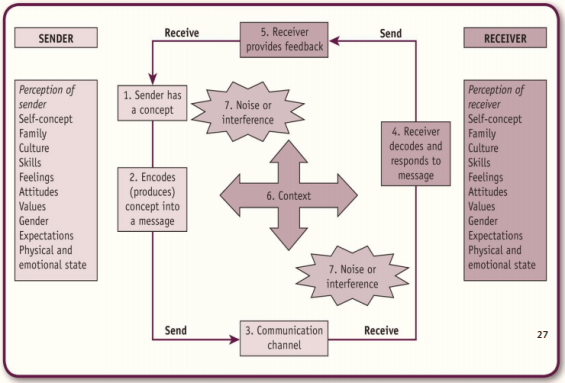
There were many aspects of interpersonal communication that contributed to the poor working environment. There was a lack of clarification in the sense that Kay knew of the future plans of the company and did not disclose it. Robert might have taken up the offer if he knew about the plans to expand and diversify, this would ensure that him and his team has future opportunities as compared to the company not expanding.
However, Robert has lacked interest in what Kay has to say. He threaten to go to the union despite the possibility of a better future for him and his team. His actions may have serious repercussion in the future as it shows the lack of loyalty to the company.
Hall’s context model
In this scenario, Robert has a low-context culture. He has an uncompromising and dominating communication style, he made his case very explicitly clear that if there was no monetary increase for him and his team that he will get the union involved. His demands were very individualistic, and had no regard to the interest of the company. The fact that he threatened to get the union involved shows that his needs was of a higher importance than his relation to the company.



 MGNT 102
You must be logged in to post a comment.